
"British coffee decline"
300 article(s) found

Introduction to the flavor of Kenyan coffee
Kenya is bordered to the north by Ethiopia, the origin of Arabica coffee trees, but it was not until the beginning of the 20th century that coffee cultivation began. In the 19th century, missionaries introduced Arabica trees from the leaves, but did not plant them in large quantities. It was not until 1893 that coffee was cultivated on a large scale because of the introduction of Brazil's ancient bourbon seeds. That is to say, Kenyan coffee is of Brazilian origin, because of water.

Flavor and taste of Jamaican Blue Mountain Coffee introduction to boutique coffee beans in manor area
In 1670, according to the Madrid Treaty, Spain formally ceded Jamaica and other places to Britain. The British immediately used the island of Jamaica as a base for their acts of piracy. Before the earthquake destroyed the port of Loire in 1692, it was once the capital of pirates in the Caribbean. Since then, the British built Kingston and gradually built it into the central city of Jamaica. After 1692,

Introduction of coffee beans and coffee trees in Kenya
Kenya is bordered to the north by Ethiopia, the origin of Arabica coffee trees, but it was not until the beginning of the 20th century that coffee cultivation began. In the 19th century, missionaries introduced Arabica trees from the leaves, but did not plant them in large quantities. It was not until 1893 that coffee was cultivated on a large scale because of the introduction of Brazil's ancient bourbon seeds. That is to say, Kenyan coffee is of Brazilian origin, because of water.

Introduction to the treatment methods of Kenyan boutique coffee
Don't underestimate the small farmers in Kenya, they are just like ants, and their overall production capacity is higher than that of large farms, about six to four, which is quite rare in bean-producing countries. Kenyan coffee is widely appreciated by connoisseurs, thanks in large part to small farmers guarding the foothills and producing high-quality coffee. In addition, Kenya beans must have a strict grading system, according to the size of the coffee beans taken out by the washing plant.

Starbucks attacks the outer zone to target millennials
Professional baristas please follow the coffee workshop (official Wechat account cafe_style) there are signs that the coffee chain boom has peaked after years of expansion, because not only Starbucks revenue and profits fell last quarter, doughnut brand Dunkin Donuts, which has a large number of coffee fans, is facing a decline in customer traffic, even Costa, the British coffee chain.
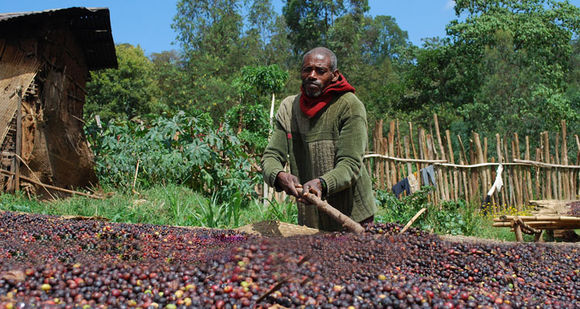
Kenya Coffee Tree Kenya Coffee beans Kenya Coffee Farm Kenya AA++
Kenya is bordered to the north by Ethiopia, the origin of Arabica coffee trees, but it was not until the beginning of the 20th century that coffee cultivation began. In the 19th century, missionaries introduced Arabica trees from the leaves, but did not plant them in large quantities. It was not until 1893 that coffee was cultivated on a large scale because of the introduction of Brazil's ancient bourbon seeds. That is to say, Kenyan coffee is of Brazilian origin, because of water.

What is the price of Kenyan coffee? The present situation of coffee market in Kenya
For more information on coffee beans, please follow the Coffee Workshop (Wechat official account cafe_style) in 1878, the British brought coffee to Africa and set up a coffee plantation in Kenya in the 19th century, when coffee drinks from Ethiopia were imported to Kenya through South Yemen. But it was not until the beginning of the 20th century that the bourbon coffee tree was saint. Austin Mission (St

Taste characteristics of Jamaican Coffee producing area Fine Coffee beans introduce Jamaican Coffee Brand
In 1670, according to the Madrid Treaty, Spain formally ceded Jamaica and other places to Britain. The British immediately used the island of Jamaica as a base for their acts of piracy. Before the earthquake destroyed the port of Loire in 1692, it was once the capital of pirates in the Caribbean. Since then, the British built Kingston and gradually built it into the central city of Jamaica. Jamaica Bamboo Forest

Flavor and taste of coffee manor in Kenya Berman Manor Ethiopia
Kenya is bordered to the north by Ethiopia, the origin of Arabica coffee trees, but it was not until the beginning of the 20th century that coffee cultivation began. In the 19th century, missionaries introduced Arabica trees from the leaves, but did not plant them in large quantities. It was not until 1893 that coffee was cultivated on a large scale because of the introduction of Brazil's ancient bourbon seeds. That is to say, Kenyan coffee is of Brazilian origin, because of water.

Coca-Cola spends $5.1 billion into the coffee industry! Starbucks is really in a hurry!
Professional coffee knowledge exchange more coffee bean information please follow the coffee workshop (Wechat official account cafe_style) in this world, there is no immutable industry, let alone an enduring giant! At present, the pattern of the coffee market is undergoing great changes in the fierce competition. British hotel and catering giant Whitbread (Whiteberry)

Kenyan coffee beans with strong, sweet and mellow thickness introduce fine coffee.
Kenya is bordered to the north by Ethiopia, the origin of Arabica coffee trees, but it was not until the beginning of the 20th century that coffee cultivation began. In the 19th century, missionaries introduced Arabica trees from the leaves, but did not plant them in large quantities. It was not until 1893 that coffee was cultivated on a large scale because of the introduction of Brazil's ancient bourbon seeds. That is to say, Kenyan coffee is of Brazilian origin, because of water.

Flavor and taste of Kenyan Coffee Manor introduce the characteristics of Kenyan coffee beans in Berman Manor
Kenyan coffee can not underestimate Kenyan small farmers, they are no less ant soldiers, the overall production capacity is higher than large farms, about 6: 4, which is quite rare in bean-producing countries. Kenyan coffee is widely appreciated by connoisseurs, thanks in large part to small farmers guarding the foothills and producing high-quality coffee. In addition, Kenya beans must have a strict grading system, according to the size of the coffee beans taken out by the washing plant.

Characteristics of Kenyan coffee beans Kenyan coffee producing areas
It entered Kenya in the 19th century, when Ethiopian coffee drinks were imported into Kenya through southern Yemen. But it was not until the early 20th century that the bourbon was introduced by the St. Austen Mission (St.AustinMission). Kenyan coffee is mostly grown at an altitude of 1500m, 2100m, and is harvested twice a year. To ensure that only ripe berries are picked, people must be in the forest

What's the difference between blue mountain coffee and regular coffee?
Follower Cafe (Wechat official account vdailycom) found that Blue Mountain Coffee is the best coffee in the Blue Mountains of Jamaica. Blue Mountain Coffee is prohibitively expensive at $35 a pound, but the Jamaican coffee industry has struggled. In 1725, British Governor Rolls bought seven Tibica coffee seedlings from French Martinique Island and planted them.

Costa ambition to re-invest in the Chinese market British coffee culture once again attack!
Professional baristas please follow the coffee workshop (Wechat official account cafe_style). According to the Daily Telegraph on Tuesday, Costa Coffee paid an additional 35 million pounds to its stake in its joint venture in China to invest in the Chinese market.
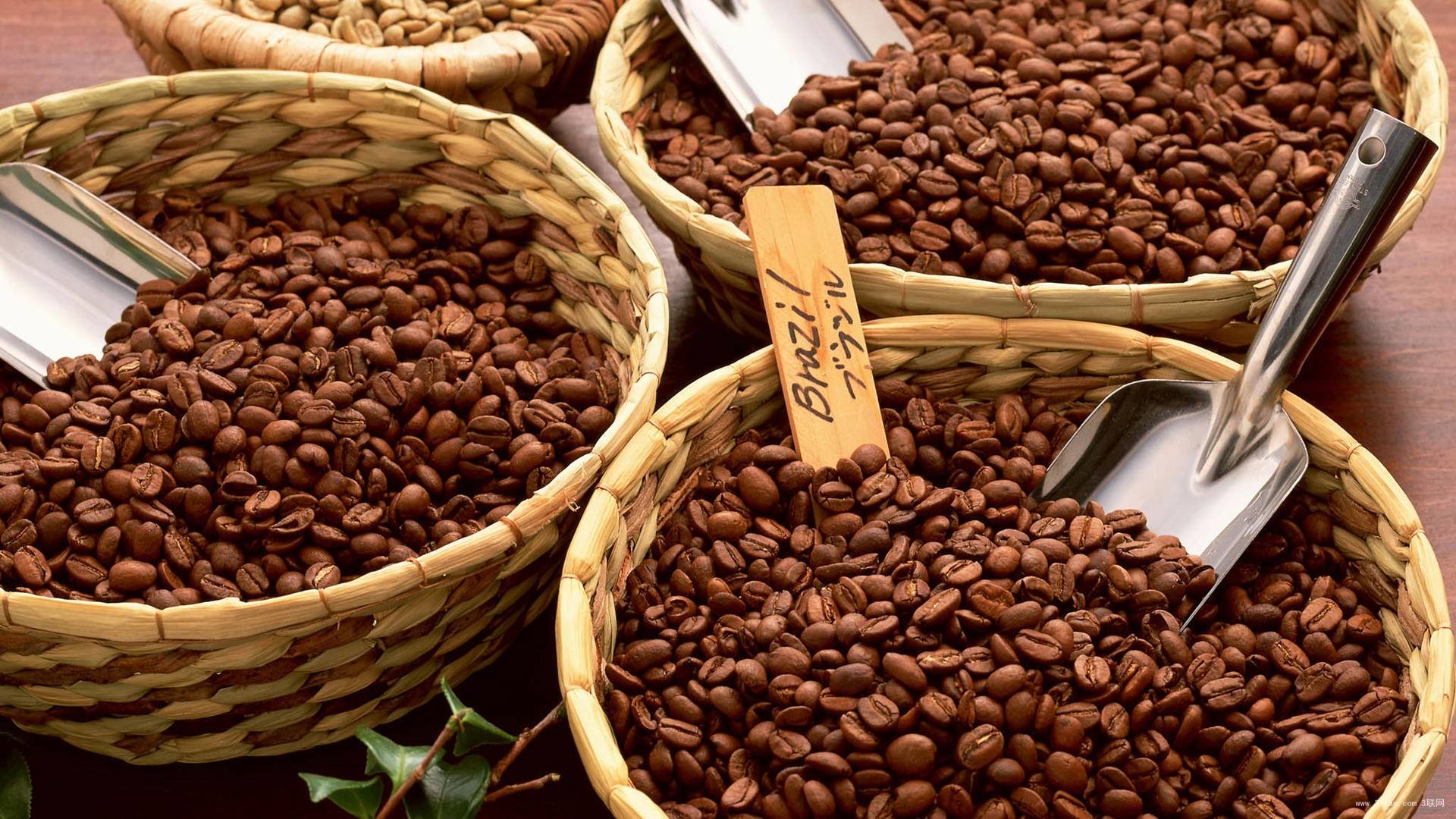
The origin of Kenyan coffee beans, an introduction to Kenyan coffee
Follow the caf é (Wechat official account vdailycom) found that the beautiful cafe opened its own shop Kenya Coffee from Kenya Coffee-introduced Kenyan coffee to the north of Kenya, the origin of Arabica coffee trees in Ethiopia, but did not engage in coffee cultivation until the beginning of the 20th century. Missionaries introduced Arabica trees from Yemen in the 19th century, but did not plant a large number of them.

Young people prefer coffee to tea, and British afternoon tea culture is disappearing.
According to the National Food Research (National Food Survey) survey, Britons' love of tea is fading rapidly. Britons over the age of 50 drink an average of 876 cups of tea a year, but young people average less than two cups of tea a week. Coffee, Tea, or Tap water? The British don't like tea so much anymore. Beginning in 1720, England

Coffee futures prices fall as Brazilian entities continue to decline
London: Arabica coffee futures fell on Thursday as the weak currency of Brazil's top growers pushed contracts to a two-month low, triggering a technical sell-off and raw sugar futures fell. Coffee * March Arabica coffee fell 1.3 per cent to 97.60 cents per pound at 1409 GMT, the lowest since December 18. * Brazilian real

Competition between Tea and Coffee in Modern England
The popularity of coffee in British society mainly lies in two favorable factors: first, the advantages of transport conditions. At that time, coffee was mainly produced in Yemen, which was closer to the United Kingdom, which was more convenient than transporting tea from China, and coffee entered the UK earlier than tea, so coffee had a head start. Secondly, due to the short transportation distance, the price of coffee is relatively low, while tea

Kenyan Coffee Fruit quality of coffee beans grown by Kenyan coffee farmers
Kenyan coffee fruit can not underestimate Kenyan small farmers, they are no less ant soldiers, the overall production capacity is higher than large farms, about 6: 4, which is quite rare in soybean-producing countries. Kenyan coffee is widely appreciated by connoisseurs, thanks in large part to small farmers guarding the foothills and producing high-quality coffee. In addition, Kenya beans must have a strict grading system, according to the coffee beans taken out by the washing plant.